Passionate about building the ecological knowledge and literacy of our community, the Werribee River Association provides interactive workshops, presentations, guided walks and citizen science programs to schools, kindergartens, community centres and groups, as well as at festivals and special events. Below are some of the programs we offer.
Our sessions can be adapted to the classroom or delivered on location. We are flexible in tailoring these sessions to your needs. For more information e-mail us at info@werribeeriver.org.au
Wild Werribee: Life Along the River
Wild Werribee: Life Along the River
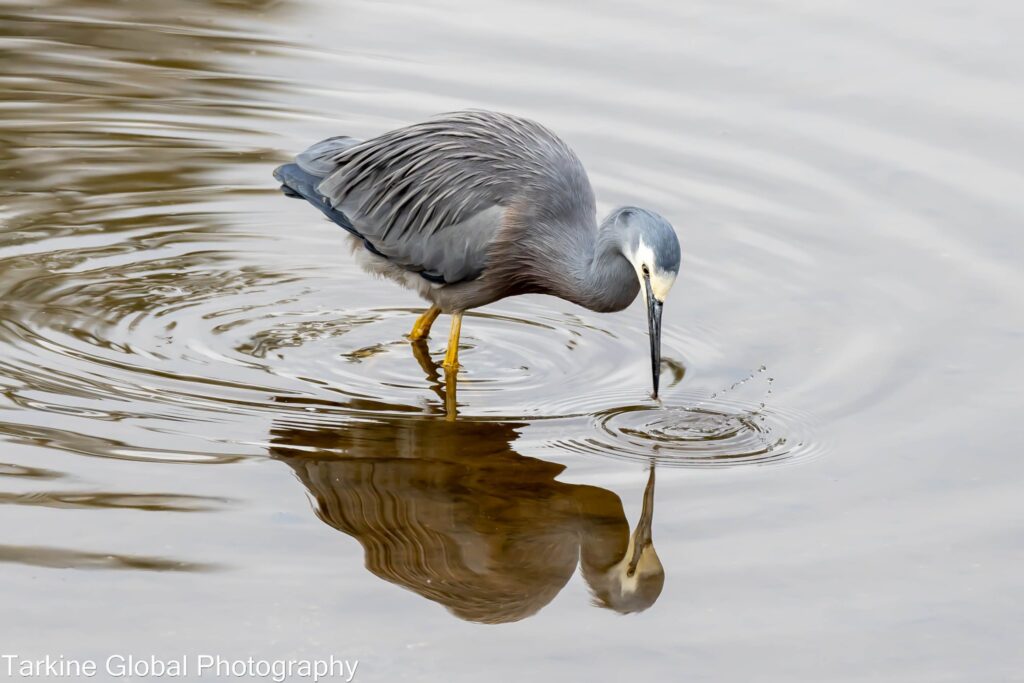
Discover the incredible diversity of plants, animals, and organisms that call the Werribee River home. From platypus to native fish, frogs and river red gums to the less known species such as insects and microbes. Explore what thrives, what's threatened, and why it matters.
Werribee River: catchment to sea
Werribee River: catchment to sea
Explore the Werribee River's journey from the catchment to the sea, including the people who shaped it, the rich biodiversity it supports and the environmental challenges of water collection, usage, and recycling.
Secret Life of the Platypus
Secret Life of the Platypus
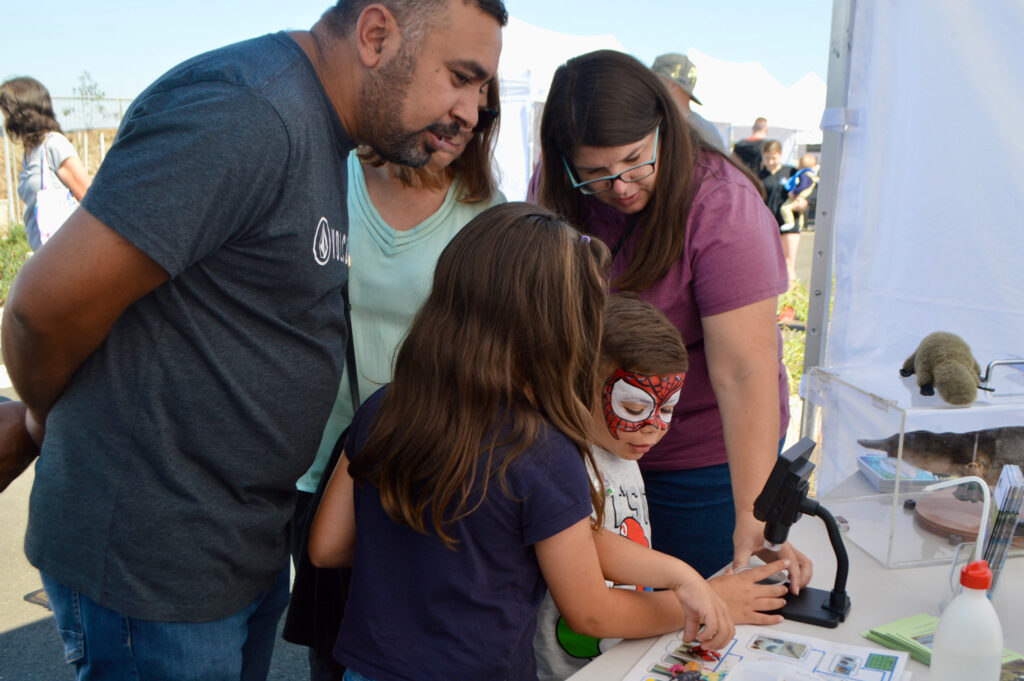
Uncover the secrets of our most remarkable native animal. Explore platypus anatomy, lifecycle, and ecology, discover their presence right here in the Werribee River, and learn how scientists monitor and protect them.
River Detectives
River Detectives
This is a practical citizen-science based class where students learn about problems such as pollution and litter affect water quality, how these affect the ecosystem and what we can do to improve them. This activity includes both waterbugs and water quality testing.
Litter Champions
Litter Champions
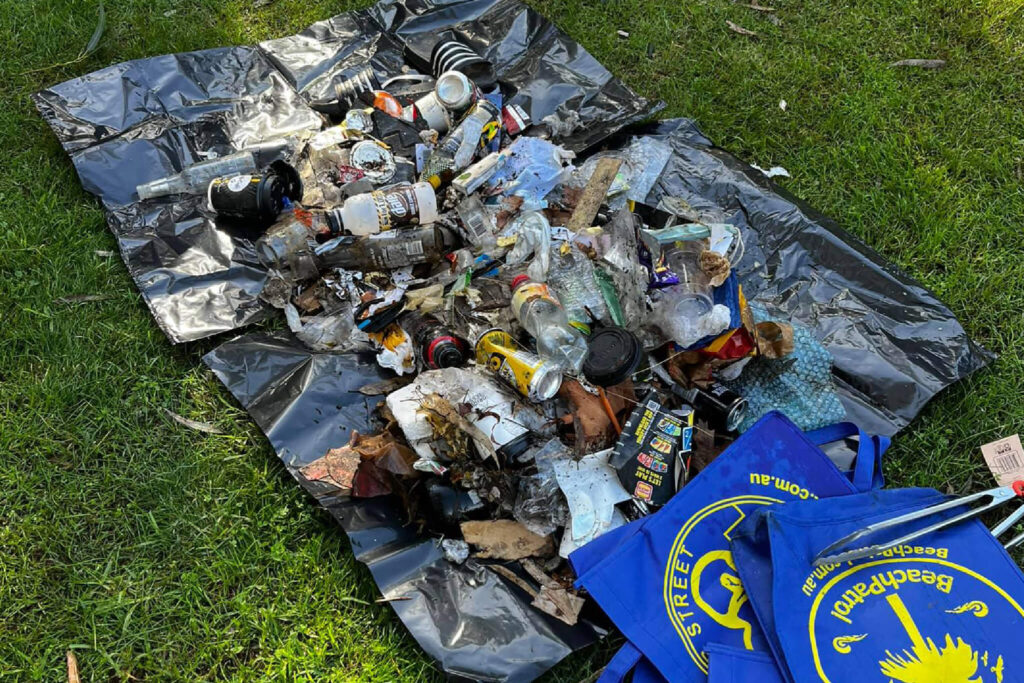
Discover how litter impacts our waterways, wildlife, and community. Students take real action; collecting and sorting litter using litter pickers, enjoying the hands-on experience and satisfaction of making a genuine difference.
Discover Waterbugs
Discover Water-bugs
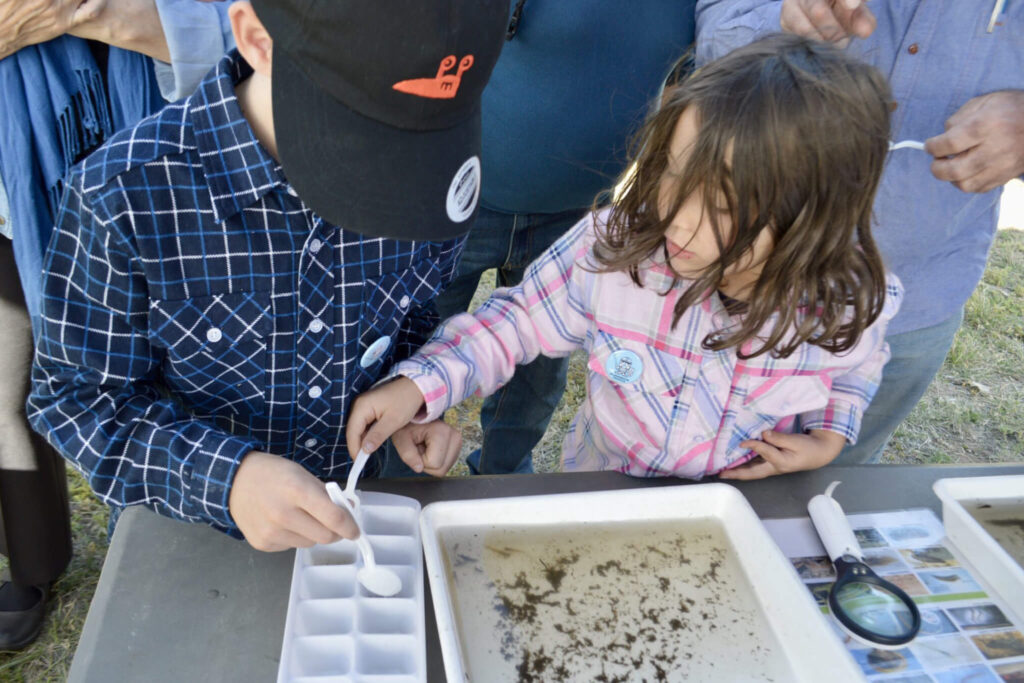
Collect water samples from nearby sources (or these can be brought on-site) and using scientific methods, participants are able to study invertebrate life and draw conclusions on water quality, aquatic animal life, and the health of the river.
Educational Resources
Check out our educational resources about our local waterways: